Study Abroad Without Regrets: 5 Costly Mistakes Most Indian Students Make (And How You Can Avoid Them)
Choosing the right country to study abroad can easily become the biggest turning point of your life. Remember Raju Rastogi’s interview scene from 3 Idiots—nervous, confused, and unsure if he’s saying the “right” thing? That’s exactly how most Indian students feel when they’re deciding where to study. The problem is, many end up making choices driven by emotion, pressure, or outdated logic—mistakes that can cost years of time and lakhs of rupees. Here’s how to avoid the most common traps and make a decision you won’t regret five years down the line.
Mistake #1: Parampara. Anushasan
Studying abroad is not a family ritual you must blindly follow. Just because your chachu fulfilled his “Dollar Dream” in the early 2000s doesn’t mean the USA is automatically the best option for you today. The world has changed—visa rules, job markets, tuition fees, and even course durations. Instead of tradition, focus on Return on Investment (ROI). For instance, an MSc in Data Science in Ireland often costs significantly less and finishes faster than a similar MS in the USA—while still offering excellent post-study work options. The smart question isn’t “Where did others go?” but “Where will my time and money work hardest for me?”
Mistake #2: Papa Di ATM Syndrome
Studying abroad does not mean draining your family’s lifetime savings. When your financial burden is lighter, your mental freedom is greater. A massive education loan at the start of your career can force you into jobs you don’t enjoy, cities you don’t like, or lifestyles you never wanted. Think long-term. Instead of maxing out loans, choose countries with lower tuition fees or shorter courses. You can always invest saved money later—to pursue a second degree, an executive program, or even sponsor a family vacation that truly makes your parents proud.
Mistake #3: Sharmaji Ka Beta Syndrome
Not everyone is Sharmaji ka beta—and that’s okay. What matters is honesty. Do a realistic SWOT analysis of your academic profile. If your grades allow it, aim for Ivy League or Russell Group universities. But if they on’t, there’s little value in enrolling in a low-ranked university in a “popular” country.
A smarter move? Choose a top-ranked university in a lesser-known destination. For example, if you don’t meet the entry criteria for the University of Manchester in the UK, you could still earn a UK-accredited degree from its Dubai campus—leveraging the brand without setting yourself up for rejection or compromise.
Mistake #4: Ranking Banking
Higher rankings don’t automatically guarantee better careers. Teaching quality, industry exposure, international student support, job outcomes, and cost of living matter just as much—if not more. Some countries shine in specific domains. Sweden may have fewer QS-ranked universities, but if you’re studying Renewable Energy or Sustainability, the industry exposure and research ecosystem there can be far superior to more “popular” destinations.
Mistake #5: Ignoring Visa Reality
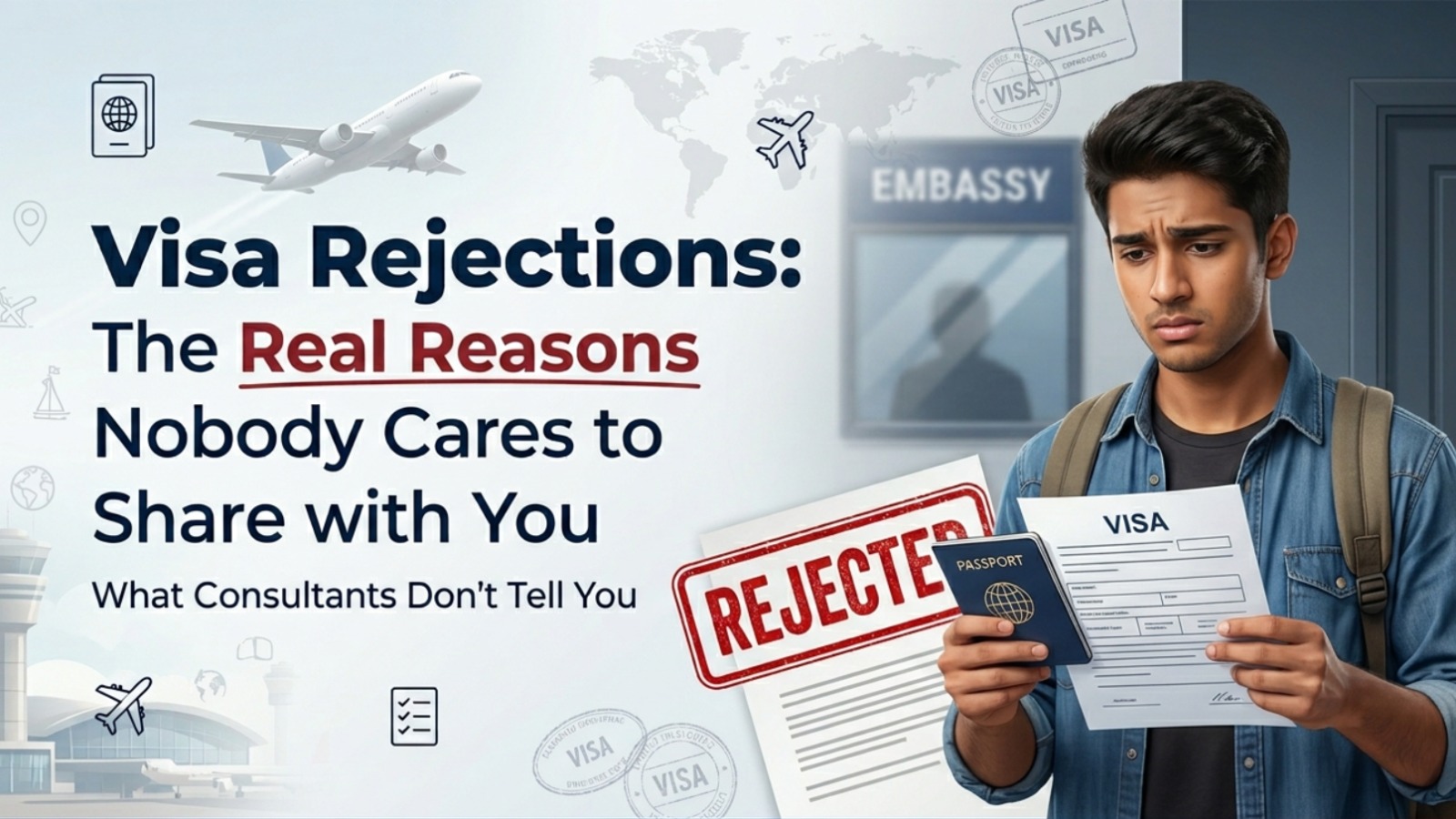
Affordability alone should never drive your decision. Some countries make it easy to get offer letters but extremely hard to secure student visas. Applying blindly can mean losing a full academic year. Your academic profile, finances, and career goals must align with a country’s visa policy. There’s no logic in chasing a destination with a low visa success rate just because the fees look attractive.
Final Thought
Studying abroad is not about following the crowd—it’s about making an informed, future- proof decision. Avoid these mistakes, ask the right questions, and choose a country that truly works for you, not for your relatives’ nostalgia or society’s expectations.