Should the Iran–Israel Conflict Change Your Study Abroad Plan for 2026?
Author: Pratyush Chakraborty
Over the past few weeks, several students and parents have asked me the same question.
“With the West Asia tensions in the news, should we postpone our study abroad plans for 2026?”
It is a fair concern. News channels are full of stories about flight disruptions, rising oil prices and instability across West Asia. But there is an important principle students should remember.
Higher education decisions should never be based on short-term geopolitical news.
A master’s degree is a two or three-year commitment. News cycles usually last a few weeks.
Let us look at the situation with a little perspective.
The Study Abroad Trend Is Still Strong
If international conflicts stopped students from travelling, global education would have collapsed long ago.
Instead, the opposite is happening.
According to data shared by the Government of India, more than 1.88 million Indian
students were studying abroad across over 150 countries in 2025. Remember, this was
when Israel was bombing Gaza and when Russia was busy in a war with Ukraine.
At the same time, the number of students leaving India each year has seen some fluctuation.
- 9.08 lakh students went abroad in 2023
- 7.7 lakh in 2024
- around 6.26 lakh in 2025
The decline is largely linked to visa restrictions, higher living costs and changing immigration policies in some countries.
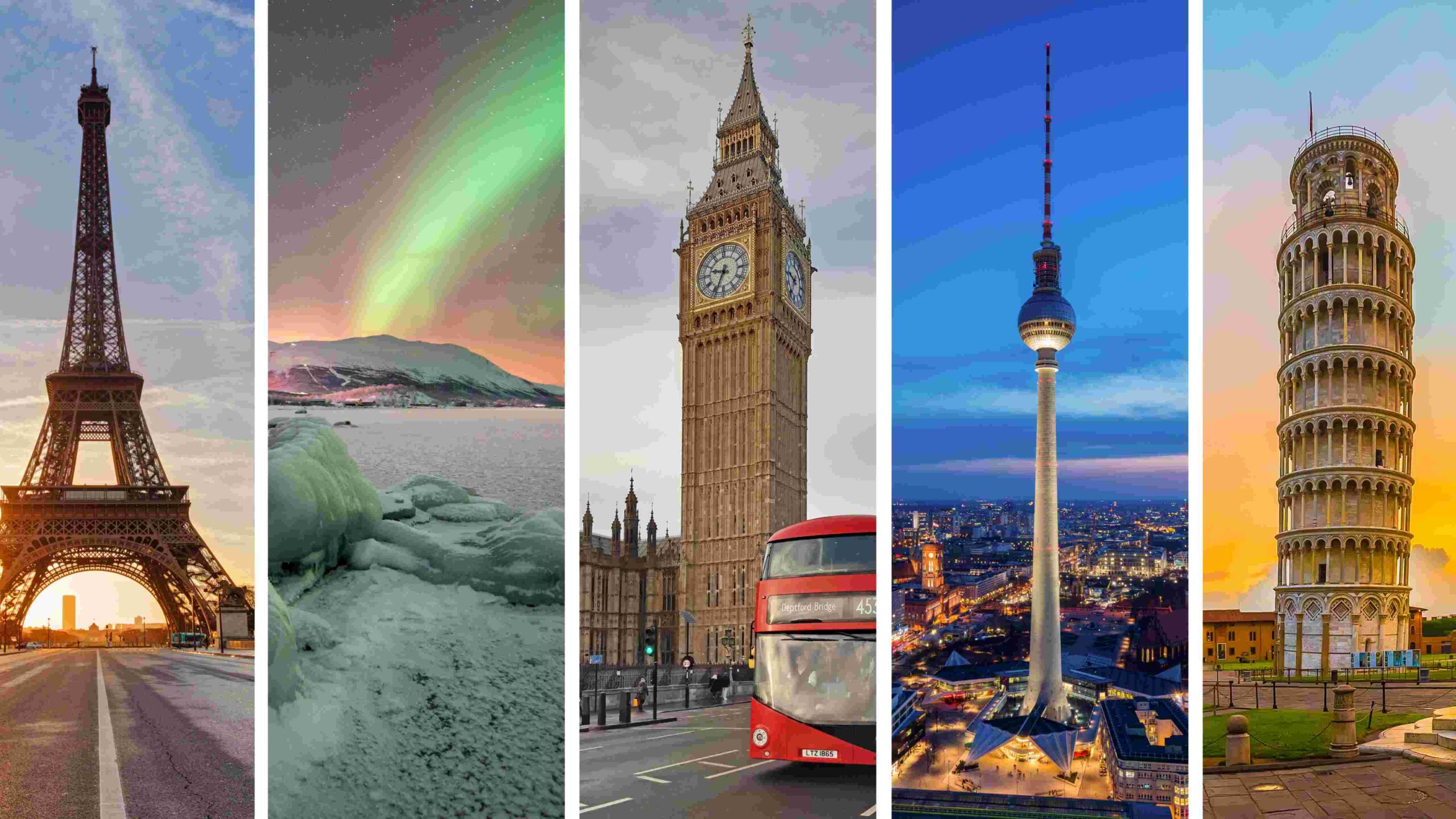
Interestingly, while traditional destinations are tightening rules, Europe is seeing growing interest from Indian students.
For example:
- Germany now hosts over 402,000 international students, including about 59,400 Indians, the largest international group in the country.
- The United Kingdom still has around 185,000 Indian students, making Indians one of the biggest student communities there.
The message is clear.
Students continue to pursue global education despite geopolitical uncertainty.
What Is Actually Being Affected Right Now?
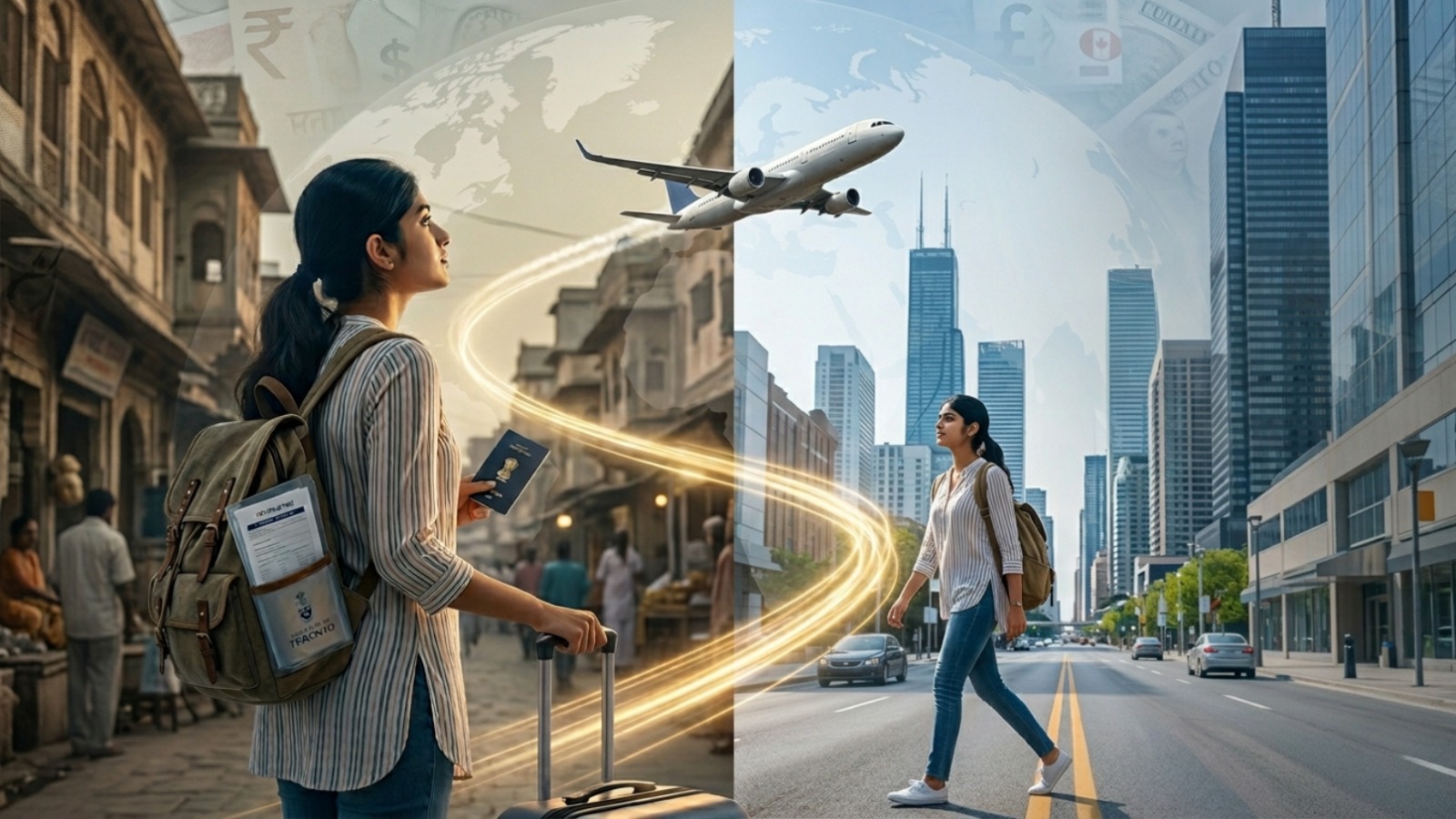
The current crisis is affecting aviation logistics more than education.
Parts of Middle Eastern airspace have become sensitive, forcing airlines to cancel or reroute flights.
Recent reports indicate:
- More than 1,200 flights involving Indian carriers were cancelled during the initial disruption.
- Around 60,000 passengers were stranded worldwide between February 28 and March 3.
- Airlines scheduled 58 additional flights in a single day to clear the backlog.
For travellers, this is inconvenient.
For universities, it changes very little.
Admissions timelines, visa processing and academic calendars continue exactly as planned.
Where Students May Feel the Impact: Cost
If the conflict affects anything for students, it is financial planning.
Geopolitical tensions usually push up oil prices, which increases aviation costs.
During the recent escalation, oil prices rose by more than 15 percent, which can eventually
affect international flight fares.
Students may experience three practical effects.
First, slightly higher flight costs.
Longer flight routes to avoid sensitive airspace mean higher fuel consumption.
Second, currency volatility.
During global uncertainty, the US dollar often strengthens. A weaker rupee increases the real cost of tuition and living expenses abroad.
Third, pressure on living costs.
Many European cities were already facing student housing shortages.
For context:
- Average student living costs in Germany are about €930 per month.
- In the United Kingdom, living expenses typically range between £1,000 and £1,400 per month, depending on the city.
None of this makes studying abroad unrealistic.
It simply means planning your budget carefully.
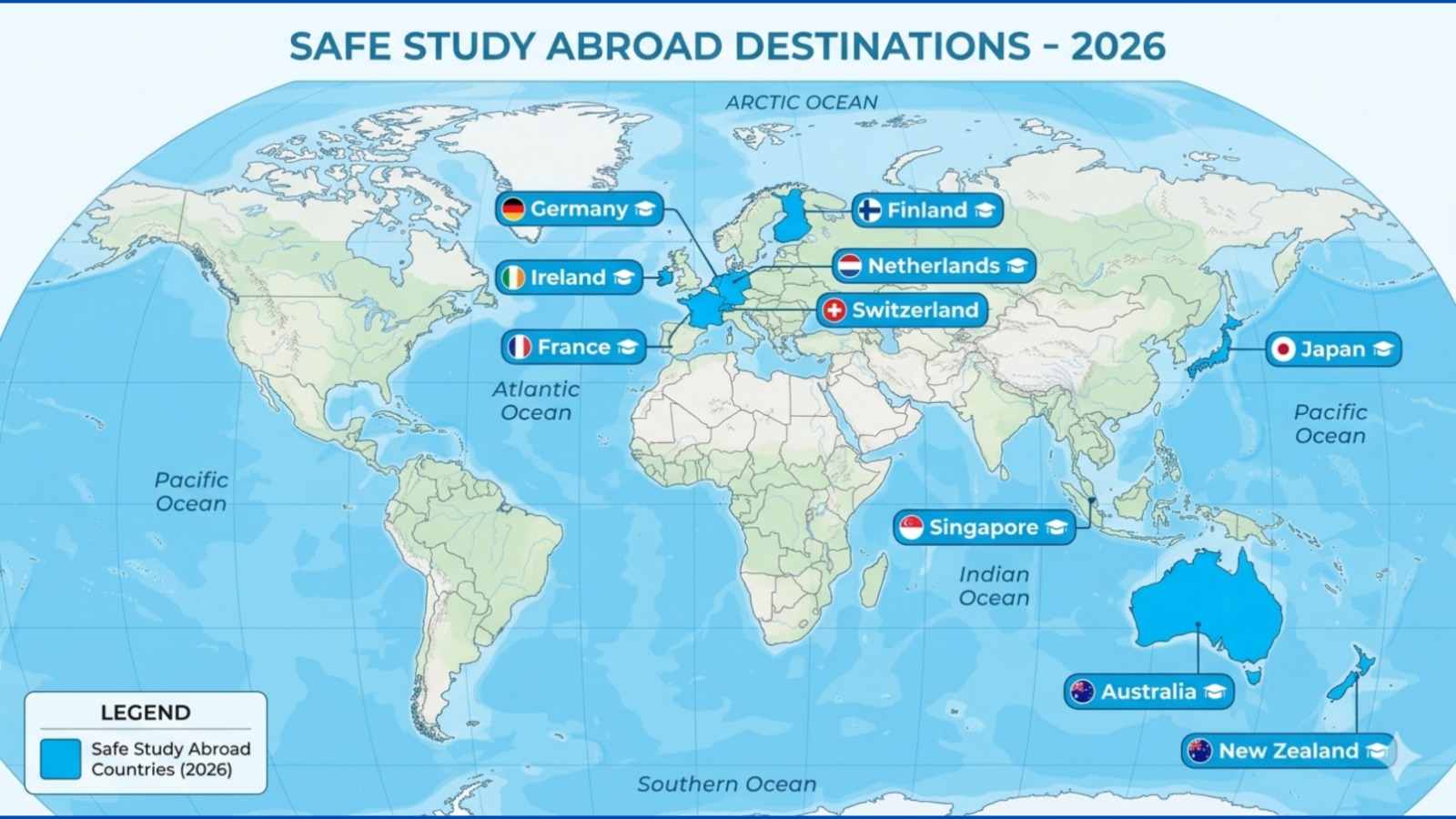
The Safest European Destinations Right Now
From both a geopolitical and academic perspective, several countries remain extremely stable
for international students.
Very Stable Options
Germany
Ireland
Netherlands
Sweden
Norway
These countries are geographically distant from current tensions and offer strong education
systems.
Germany remains particularly attractive because many public universities charge little or no
tuition fees.
Countries That Are Still Safe but Costlier
United Kingdom
France
Italy
These are excellent destinations but generally come with higher tuition and living costs.
Destinations Students May Reconsider Temporarily
Regions closer to the Middle East may see occasional travel disruptions.
Dubai
Cyprus
These locations are not unsafe. However, students with flexible options may prefer mainland
Europe for the moment.
A Quick Word About Panic
Every geopolitical event produces two things almost immediately.
Headlines.
WhatsApp rumours.
Only one of them is reliable.
The Russia–Ukraine war disrupted universities inside Ukraine, not across Europe. Conflicts
around Gaza did not stop international students from enrolling in universities across the
United Kingdom or the European Union.
Education systems operate on long academic cycles, not daily news cycles.
The Takeaway
Students who pause their plans every time the world becomes uncertain would never move
forward.
The better approach is simple.
Plan carefully.
Budget realistically.
Choose the right country.
Do not let panic or rumours make the decision for you.
A Note from EduEdge
At EduEdge, we have helped students navigate global disruptions ranging from visa rule
changes to pandemics.
The lesson has always been the same.
Students who start early, stay informed and seek the right guidance rarely lose
opportunities.
If you are planning to study abroad in 2026, speak with our advisors for a personalised
roadmap covering destination selection, university choices and financial planning.
Sometimes one clear discussion can replace months of confusion.